

Resources
We have developed multiple resources to support people affected by MCAS and those caring for people with MCAS. We have guides for work, education, diet, eating out, travelling, wellbeing, symptom tracking and much more. We also have resources for Healthcare Professionals caring and treating those with MCAS.
Use the tabs at on the yellow box to find the right resources for you. Please let us know if you have suggestions for resources that are missing here
Could you help us to create more resources to support the MCAS community? As a non-profit organisation, we rely on the generosity and support of individuals like you, to continue our important work. By donating, you're directly impacting the MCAS community, offering hope and assistance to those who need it most. Every contribution, no matter the size, makes a difference and is deeply appreciated. If you can, please donate here.

Accessibility
We are committed to making our resources accessible to everyone in our community. We understand that some people may experience electromagnetic sensitivity (EMF) or prefer hard copies of materials. We are happy to provide alternative formats whenever possible. Please reach out to us here. We will do our utmost to assist you and ensure your experience is as comfortable as possible.
Our goal is to create an inclusive environment where everyone can fully engage with our content and discussions. If you have any questions or suggestions regarding accessibility, please don't hesitate to get in touch. Your feedback helps us continually improve to ensure that everyone feels welcome and supported.
Understanding MCAS, Symptoms & Triggers
MCAS and Pain
PowerPoint slides from Dr Johanna Theron's Webinar 'Pain and MCAS'.
Neuropsychiatric Symtoms in MCAS and Histamine Intolerance
PowerPoint slides from Dr. Clare Ashby webinar 'Nervous System Regulation'.

Urology and MCAS
PowerPoint slides from Camilla Gonzalez's webinar 'Urology and MCAS'.
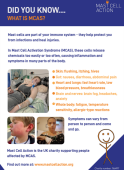
DID YOU KNOW.... What is MCAS?
This poster provides brief facts about MCAS. These are great for sending to friends and family to help them understand or for taking to medical appointments.

DID YOU KNOW.... What can trigger MCAS symptoms?
This poster provides brief facts around Triggers and MCAS. These are great for sending to friends and family to help them understand or for taking to medical appointments.

DID YOU KNOW.... Fragrances can make people ill
This poster provides brief facts around fragrances and MCAS. These are great for sending to friends and family to help them understand or for taking to medical appointments.
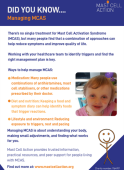
DID YOU KNOW.... Managing MCAS
This poster provides brief facts around managing MCAS. These are great for sending to friends and family to help them understand or for taking to medical appointments.

A Quick Guide to MCAS
A handy 2 page Quick Guide to MCAS. An easy to read and understand overview of mast cells, MCAS symptoms, triggers, management, treatment and the histamine bucket theory.
Pain and the Brain
PowerPoint slides from Deborah Bircham from Live Well with Chronic Illness' Webinar 'Pain and the Brain'.

Your Safe Haven at Home
PowerPoint slides from Roselle O Brien's webinar on 'Your Safe Haven at Home'. You can find the recording of this session on our YouTube channel.

MCAS and Environmental Pollution the Toxic Truth
PowerPoint slides from Deborah Bircham's from Live Well with Chronic Illness' webinar 'MCAS and Environmental Pollution the Toxic Truth'. You can find the recording of this session on our YouTube channel.
Stress and Mast Cells
PowerPoint slides from Roselle O Brien's webinar on 'Stress and Mast Cells'. You can find the recording of this session on our YouTube channel.

Vagus Nerves and Mast Cells
PowerPoint slides from Roselle O'Brien's webinar 'Vagus Nerves and Mast Cells'. You can find the recording of this session on our YouTube channel.
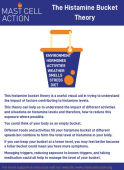
The Histamine Bucket Theory
This histamine bucket theory is a useful visual aid in trying to understand the impact of factors contributing to histamine levels.
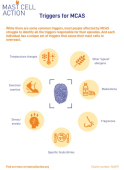
Triggers
This resource details some of the more common triggers of Mast Cell Activation Syndrome.

Symptoms of MCAS
This resource details some of the more common symptoms of Mast Cell Activation Syndrome.
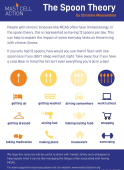
The Spoon Theory
People with chronic illnesses like MCAS often have limited energy. In the spoon theory, by Christine Miserandino, this is represented as having 12 spoons per day. This can help to explain the impact of some everyday tasks on those living with chronic illness.
MCAS Self-management toolkit
This toolkit contains information about substances in food and in the environment that can affect mast cell activity or trigger MCAS symptoms. It also includes practical advice to help you understand and avoid these triggers, as needed.
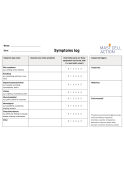
MCAS symptom log
A symptom log to help you track symptoms and triggers to identify any patterns.
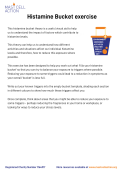
The histamine bucket exercise
This histamine bucket is a useful visual aid in trying to understand the impact of factors contributing to histamine levels.
Understanding Mast Cells, Autoimmune Disorders and Comorbidity
PowerPoint slides from Roselle O'Brien's talk 'Understanding Mast Cells, Autoimmune Disorders and Comorbidities'. You can find the recording of this session on our YouTube channel.
Long COVID and the Mast Cell Connection
PowerPoint slides from Roselle O'Brien's webinar 'Long COVID and the Mast Cell Connection'. You can find the recording of this session on our YouTube channel.
Healthcare & Diagnosis

Comprehensive Guide to MCAS for Primary Care Physicians
This comprehensive guide for the diagnosis and management of MCAS in Primary Care is designed to help GPs to recognise and treat MCAS with confidence. We hope that this guide will serve as a useful, practical tool to help you to support MCAS patients. The 1-page Recognising and Managing MCAS Overview on P4 is a useful place to start if you are looking for a quick summary, and a full-page downloadable version of the flowchart can also be found on our website here https://www.mastcellaction.org/articles/recognising-and-managing-mcas-in-primary-care-overview-flow-chart

Anaesthetic and Surgical Guide - Planning for surgery for people with Mast Cell Activation Syndrome
We understand that planning for surgery or any procedure requiring anaesthesia can feel daunting when you have MCAS. These situations can bring uncertainty - but with the right preparation and support, they can be managed safely. This guide, developed by members of our Medical Advisory Board, aims to help you feel more confident and informed about what to expect.
A Quick Guide to MCAS
A handy 2 page Quick Guide to MCAS. An easy to read and understand overview of mast cells, MCAS symptoms, triggers, management, treatment and the histamine bucket theory.
EDS and MCAS from an Osteopathic perspective: How can Osteopathy help you?
PowerPoint slides from Rory Boggett's webinar 'EDS and MCAS from an Osteopathic perspective: How can Osteopathy help you?'.

Speaking to Your GP: Language and Tips for Effective Communication
This guide has been created to help you communicate more confidently and effectively with your GP. It offers practical language suggestions that can help you explain your symptoms, request support, and build a more collaborative relationship, whether you have a confirmed diagnosis or are still seeking answers.
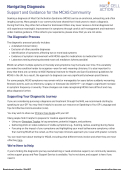
Navigating Diagnosis: Support and Guidance for the MCAS Community
This guide is designed to support individuals in the MCAS community who are navigating the challenges of diagnosis.

MCAS and Related Conditions - Special Consideration for Anaesthesia Surgery with Dr. Anton Krige
PowerPoint slides from our Dr Anton Krige's webinar 'MCAS and Related Conditions - Special Consideration for Anaesthesia Surgery with Dr. Anton Krige'. You can find the recording of this session on our YouTube channel.

How to be Heard: Advocating for yourself within the NHS
PowerPoint slides from Vicky Pearson's webinar 'How to be Heard: Advocating for yourself within the NHS'. You can find the recording of this session on our YouTube channel.
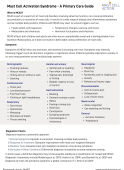
Mast Cell Activation Syndrome - A Primary Care Guide
A primary care guide to Mast Cell Activation Syndrome. It outlines common triggers, diagnostic criteria, and key symptom patterns affecting various body systems, helping clinicians recognise and differentiate MCAS from other conditions.
MCAS Testing for Healthcare Professionals
This leaflet details some of the tests used to diagnose MCAS, how to order and handle a sample and how to read the results.
MCAS Testing
This leaflet documents some of the tests that may be used to diagnose MCAS and explains how to read the results.
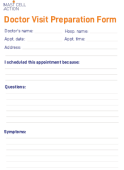
Doctor visit preparation form
A form designed to help you to plan the questions you would like to ask and symptoms you would like to discuss at medical appointments.
Everyday Life with MCAS
MCAS and Mould
PowerPoint slides from Lisa Maylon from Indoor Air Aware and Deborah Bircham from Live Well with Chronic Illness' webinar 'Mould and MCAS'.
Managing Extreme Fatigue
PowerPoint slides from Roselle O'Brien's webinar 'Managing Extreme Fatigue'.

Supporting someone with MCAS at Christmas
A practical festive guide for loved ones, who are supporting those with MCAS at Christmas
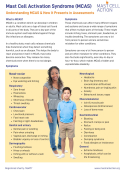
MCAS information for PIP assessors
This resource provides assessors with an overview of MCAS, how it affects daily living, and the support individuals may need, helping ensure assessments are safe, fair and based on an understanding of the condition’s fluctuating nature.

Managing MCAS At Christmas
The festive season can be joyful, but for those living with MCAS, it can also bring extra challenges - new foods, busy gatherings, extra stress and exposure to different things. This guide offers practical ideas to help you plan ahead, look after yourself, and enjoy the parts of Christmas that feel right for you.
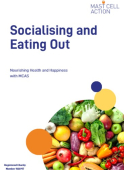
Socialising and Eating Out
From our Nourishing Health & Happiness with MCAS series — practical tips for enjoying meals out and social occasions while supporting your health and comfort.
Mast Cells and Relationships: Navigation and Education
PowerPoint slides from Roselle O'Brien's webinar 'Mast Cells and Relationships: Navigation and Education'.
EDS and MCAS from an Osteopathic perspective: How can Osteopathy help you?
PowerPoint slides from Rory Boggett's webinar 'EDS and MCAS from an Osteopathic perspective: How can Osteopathy help you?'.

MCAS and Menopause Workbook
This workbook is designed to go along with our 'Mastering Menopause: Working through Menopause for those with MCAS' webinar hosted by Rebecca Fredericks.
Your Safe Haven at Home
PowerPoint slides from Roselle O Brien's webinar on 'Your Safe Haven at Home'. You can find the recording of this session on our YouTube channel.
MCAS and Environmental Pollution the Toxic Truth
PowerPoint slides from Deborah Bircham's from Live Well with Chronic Illness' webinar 'MCAS and Environmental Pollution the Toxic Truth'. You can find the recording of this session on our YouTube channel.
What is detoxing and how might it help with MCAS?
PowerPoint slides from Deborah Bircham's from Live Well with Chronic Illness' webinar on 'What is detoxing and how might it help with MCAS?'. You can find the recording of this session on our YouTube channel.

Immune Health - How to Fight off Bugs and Viruses Naturally
Powerpoint slides from Deborah Bircham's from Live Well with Chronic Illness' webinar 'Immune Health - How to Fight off Bugs and Viruses Naturally' . You can find the recording of this session on our YouTube channel.
Introduction to Water Purifiers
Handout on different types of water purifiers, created by Deborah Bircham
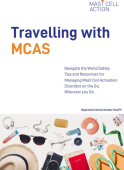
Travelling with MCAS
This downloadable booklet contains tips and resources for managing Mast Cell Activation Disorders on the go, wherever you go.

Reasonable adjustments in the workplace full pack
This is our full pack with multiple resources to support requesting reasonable adjustments in the workplace with MCAS.

Understanding your rights and advocating for yourself in the workplace - a guide for people with MCAS
This guide helps you to understand your rights and the support that could be put into place in your workplace to help you.

MCAS for employers
This guide for employers explains MCAS and the support that could be put into place in the workplace for those with MCAS.
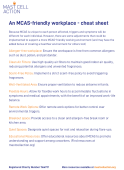
An MCAS-friendly workplace - cheat sheet
This cheat sheet has top tips that might be helpful when creating an MCAS-friendly work place.
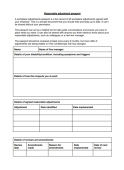
Reasonable adjustment passport
A workplace adjustments passport is a live record of all workplace adjustments agreed with your employer.
Template for requesting reasonable adjustments
This template may be helpful when requesting reasonable adjustments from your employer.
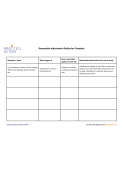
Reasonable Adjustments Reflection Template.
This table may support you to break down the reasonable adjustments that could be made to support you in your workplace.
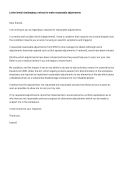
Letter challenging a refusal to make reasonable adjustments
This letter may be useful if you need to challenge a refusal to implement reasonable adjustments in your workplace.
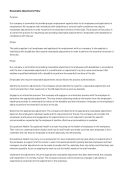
Reasonable Adjustments Policy Template
This template policy can be shared with your workplace to support the development and implementation of a reasonable adjustment policy.
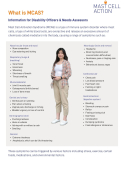
MCAS for Disability Officers
This information guide about MCAS, and the additional needs a student with MCAS may have, can be shared with Disability Officers and other members of staff at universities.

MCAS and higher education
This resource has been designed to provide general guidance and help students to access support as they approach further education at university.
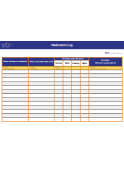
Medication log - adult
A medication timetable to log daily medications
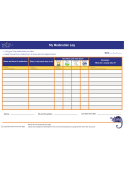
Medication log - children
A medication log blank which you can use to record medications, dosages and medication times in order to keep on track.
Food and Nutrition
Food Fear
PowerPoint slides from Alison Holloway and Nishti Uddeh's Webinar 'Food Fear'.
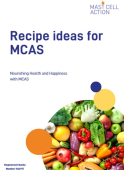
Recipe Ideas for MCAS
From our Nourishing Health & Happiness with MCAS series — simple, nourishing recipes designed to support digestion, comfort, and everyday enjoyment.
Socialising and Eating Out
From our Nourishing Health & Happiness with MCAS series — practical tips for enjoying meals out and social occasions while supporting your health and comfort.
Supplements for MCAS
From our Nourishing Health & Happiness with MCAS series - evidence-informed guidance on supplements that may support wellbeing in MCAS.
Socialising and Eating Out
From our Nourishing Health & Happiness with MCAS series — practical tips for enjoying meals out and social occasions while supporting your health and comfort.

Reintroducing Foods Safely
From our Nourishing Health & Happiness with MCAS series — a gentle guide to reintroducing foods, helping you expand your diet with confidence and care.
Unwanted Weight Gain with MCAS
From our Nourishing Health & Happiness with MCAS series — explore possible causes of weight changes and find balanced ways to support a healthy body and mind.
Malnutrition and MCAS
From our Nourishing Health & Happiness with MCAS series — understand the risks of malnutrition with MCAS and learn how to nourish your body safely and effectively.

Gaining Weight on a Low Histamine Diet
From our Nourishing Health & Happiness with MCAS series — gentle, practical ideas for maintaining or gaining weight while following a low histamine approach.

Gaining Weight on a Low Dairy Diet
From our Nourishing Health & Happiness with MCAS series, discover nourishing, dairy-free or low dairy ways to support healthy weight gain while meeting your body’s needs.

Eating enough fibre with MCAS
From our Nourishing Health & Happiness with MCAS series — discover simple, gentle ways to include more fibre for better gut health and overall wellbeing.
Nourishing Health and Happiness with MCAS
We have worked with registered dietitian, Chloe Hall, to explore some of the most common diets followed by people with MCAS, and the key nutritional concerns that often arise. In this resource, we’ll look at practical ways to support your diet when living with MCAS.
Supporting someone with MCAS as a Dietitian
Supporting Someone with MCAS as a Dietitian is a practical resource designed to help dietitians understand and support people living with Mast Cell Activation Syndrome. It offers guidance on the unique challenges that MCAS presents, particularly around food, nutrition, and symptom management.
Potato lectin activates basophils and mast cells of atopic subjects by its interaction with core chitobiose of cell-bound non-specific immunoglobulin E
S. N. Pramod, Y. P. Venkatesh and P. A. Mahesh (2007). This study addresses the role of potato lectin (STA) in activating mast cells and basophils through non-specific binding to IgE and FcεR receptors. It studies the effect of STA on atopic and non-atopic subjects, and finds that it may cause non-allergic hypersensitivity in some atopic individuals, despite not being a ‘true allergen’. Therefore, it suggests that lectins in foods like potatoes and tomatoes may contribute to symptoms of allergic reactions (e.g. asthma) in STA-sensitive individuals.

Foods and Inflammation
PowerPoint slides from Deborah Bircham's from Live Well with Chronic Illness webinar 'Foods and Infammation'. You can find the recording of this session on our YouTube channel.
Effect of Dietary Fiber and Metabolites on Mast Cell Activation and Mast Cell-Associated Diseases
Jelle Folkerts, Ralph Stadhouders, Frank A Redegeld, See-Ying Tam, Rudi W Hendriks, Stephen J Galli, Marcus Maurer (2018). This article provides an overview of current understandings surrounding the effects of dietary fibre on the regulation of mast cell activity and mast cell-associated diseases. It discusses the potential therapeutic effects of fibre and its metabolites (including short-chain fatty acids) on mast-cell associated airway inflammation and allergic diseases. It proposes further research to explore the role of dietary fibre in preventing and treating conditions associated with mast cell activation.
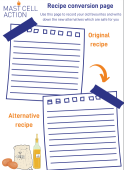
Recipe Conversion
You can use this blank recipe conversion page to note down any MCAS friendly changes you have made to your favourite recipe's.
Wellbeing and Emotional Support

Hypnotherapy - what is it and could it help with managing MCAS symptoms?
PowerPoint slides from Liane Reeve's Webinar 'Hypnotherapy - what is it and could it help with managing MCAS symptoms?'.

Mindful Movement for Illness
PowerPoint slides from Deborah Bircham from Live Well with Chronic Illness' Webinar 'Mindful Movement for Illness'.
Neuropsychiatric Symtoms in MCAS and Histamine Intolerance
PowerPoint slides from Dr. Clare Ashby webinar 'Nervous System Regulation'.

Nervous System Regulation
PowerPoint Slides from Deborah Bircham from Live Well with Chronic Illness' Webinar 'Nervous System Regulation'.
Managing Extreme Fatigue
PowerPoint slides from Roselle O'Brien's webinar 'Managing Extreme Fatigue'.

Acceptance
PowerPoint slides from Deborah Bircham from Live Well with Chronic Illness' Webinar 'Acceptance'.

Compassion as a Healing Tool
PowerPoint slides from Deborah Bircham's from Live Well with Chronic Illness webinar 'Compassion as a Healing Tool'. You can find the recording of this session on our YouTube channel.

Mast Cells and Relationships: The Garden of Self
PowerPoint slides from Roselle O'Brien's webinar 'Mast Cells and Relationships: The Garden of Self'. You can find the recording of this session on our YouTube channel.
MCAS and Menopause Workbook
This workbook is designed to go along with our 'Mastering Menopause: Working through Menopause for those with MCAS' webinar hosted by Rebecca Fredericks.

Building Resilience with MCAS: Self Care, Sleep and Emotional Wellbeing
PowerPoint slides from Rebecca Fredericks webinar 'Building Resilience with MCAS: Self Care, Sleep and Emotional Wellbeing'.

Building Resilience with MCAS: Self-Care, Sleep, and Emotional Wellbeing Workbook
This workbook is to go alongside the session on Building Resilience with MCAS: Self-Care, Sleep, and Emotional Wellbeing hosted by Rebecca Fredericks.

Seated Pilates Guide
This Seated Pilates guide has been designed especially for those living with Mast Cell Activation Syndrome (MCAS). Leanne is a Pain-Free Movement Specialist and Pilates Teacher with lived experience of multiple chronic illnesses. To use this guide, you might like to pick out an exercise, try it, see how you feel and then if you have no adverse effects try another.

Gratitude
PowerPoint Slides from Deborah Bircham from Live Well with Chronic Illness webinar 'Gratitude' exploring what is Gratitude, and how can it help us.
Navigating the Storm
PowerPoint Slides from Dr. Ashlyn Firkins webinar 'Navigating the Storm'. You can find the recording of this session on our YouTube channel.

Gratitude Handout
Use this journal however feels right for you. There’s no pressure to write every day or find something profound. Some days, it might be a kind word from a friend, a moment of peace, or simply managing to eat a safe meal. These moments matter. You matter.

Retrain Your Brain, Retrain Your Mast Cells
PowerPoint slides from Roselle O'Brien's webinar 'Retrain Your Brain, Retrain Your Mast Cells'. You can find the recording of this session on our YouTube channel.
Stress and Mast Cells
PowerPoint slides from Roselle O Brien's webinar on 'Stress and Mast Cells'. You can find the recording of this session on our YouTube channel.

Pillars of Health
PowerPoint slides from Deborah Bircham's from Live Well with Chronic Illness's webinar 'Pillars of Health'.

The Neuroscience of Mindfulness
PowerPoint slides from Deborah Bircham's from Live well with Chronic Illness's webinar 'The Neuroscience of Mindfulness', You can find the recording of this session on our YouTube channel.

How to Fight On in Tough Times – Tools and Tips to Foster Mental Resilience
PowerPoint slides from Deborah Bircham's from Live Well with Chronic Illness' webinar 'How to Fight On in Tough Times – Tools and Tips to Foster Mental Resilience'. You can find the recording of this session on our YouTube channel.

How to Sleep Well
PowerPoint slides from Deborah Bircham's from Live Well with Chronic Illness webinar 'How to Sleep Well'. You can find the recording of this session on our YouTube channel.
Vagus Nerves and Mast Cells
PowerPoint slides from Roselle O'Brien's webinar 'Vagus Nerves and Mast Cells'. You can find the recording of this session on our YouTube channel.
Seated Qigong Guide
This is a seated Qigong guide which focusses on posture, Neck, Shoulders and Spine.

Mindfulness, Mindful Breathing and Mast Cells
This guide explains the benefits of Mindfulness and breathwork and provides short exercises to try.
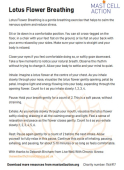
Lotus Flower Breathing
Lotus Flower Breathing is a gentle breathing exercise that helps to calm the nervous system and reduce stress. With thanks to Deborah Bircham from Live Well With Chronic Illness.

Hand Breathing
This simple breathing exercise has been provided to us by Deborah Bircham from Live Well With Chronic Illness.
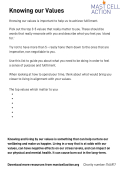
Knowing our values
Knowing our values is important to help us to achieve fulfilment. Use this guide to help you plan what you need to be doing in order to feel a sense of purpose and fulfilment.
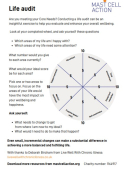
Life Audit
Are you meeting your Core Needs? Conducting a life audit can be an insightful exercise to help you evaluate and enhance your overall wellbeing.

Progressive Muscle Relaxation for Adults
When we experience anxiety or stress, our muscles can tense up. Progressive muscle relaxation can help to alleviate this tension and promote a sense of calm.
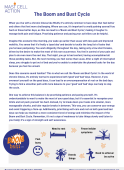
Boom and bust cycle theory for adults
In the world of chronic illness, it's entirely normal to experience both 'good' and 'bad' days. However, if you overexert yourself on the good days, it can lead to an overcompensation of rest on the bad days. Trying to find a smoother path with more balance to your ‘good’ and ‘bad’ days can help to stop the cycle.
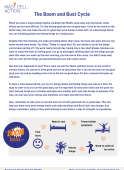
Boom and bust cycle theory for Kids
In the world of chronic illness, it's normal to have good and not-so-good days. But if you do too much on the good days, you can end up needing extra rest on the not-so-good days. It's like a seesaw that goes up and down.
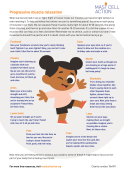
Progressive muscle relaxation
When we feel worried or are in 'fight, flight or freeze' mode, our muscles can become tight without us even realising it. To help ourselves feel calmer, we can try focusing on each group of muscles in our body.

Meditation by Deborah Bircham with music shanti by Annie Brunson
A short mindfulness practice for those feeling illness or discomfort

Mast cells and the mind
A PDF to support our session on mast cells and the mind by Deborah Bircham
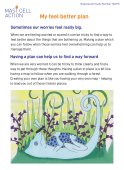
My Feel better plan
When we are feeling worried or scared it can be tricky to find a way to feel better about the things that are bothering us. Download and complete this plan which you can follow when those worries feel overwhelming.
The Spoon Theory
People with chronic illnesses like MCAS often have limited energy. In the spoon theory, by Christine Miserandino, this is represented as having 12 spoons per day. This can help to explain the impact of some everyday tasks on those living with chronic illness.
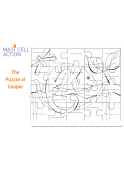
The puzzle of you
In the same way that a jigsaw is made up of lots of different pieces, each of us are madeup of lots of different parts too. This puzzle can help you to talk about MCAS being just one part of that puzzle.

Your wellbeing bucket
An exercise to help children identify the things which make them feel good, those which don't and what helps them to feel better when things aren't going so well.
The puzzle of you
In the same way that a jigsaw is made up of lots of different pieces, each of us are made up of lots of different parts too. This jigsaw helps us to see that MCAS is just one piece of the puzzle.
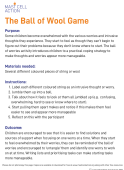
Ball of wool game
The ball of worries activity introduces children to a practical coping strategy to make thoughts and worries appear more manageable.
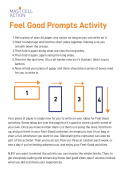
Feel good jar
An exercise to help you find the activities that make you feel good and may help to improve your mood. Suitable for children and adults.
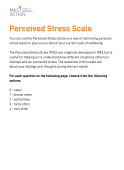
Perceived stress scale - Adults
This worksheet helps you to estimate your personal stress levels and gives you an idea of your current wellbeing.
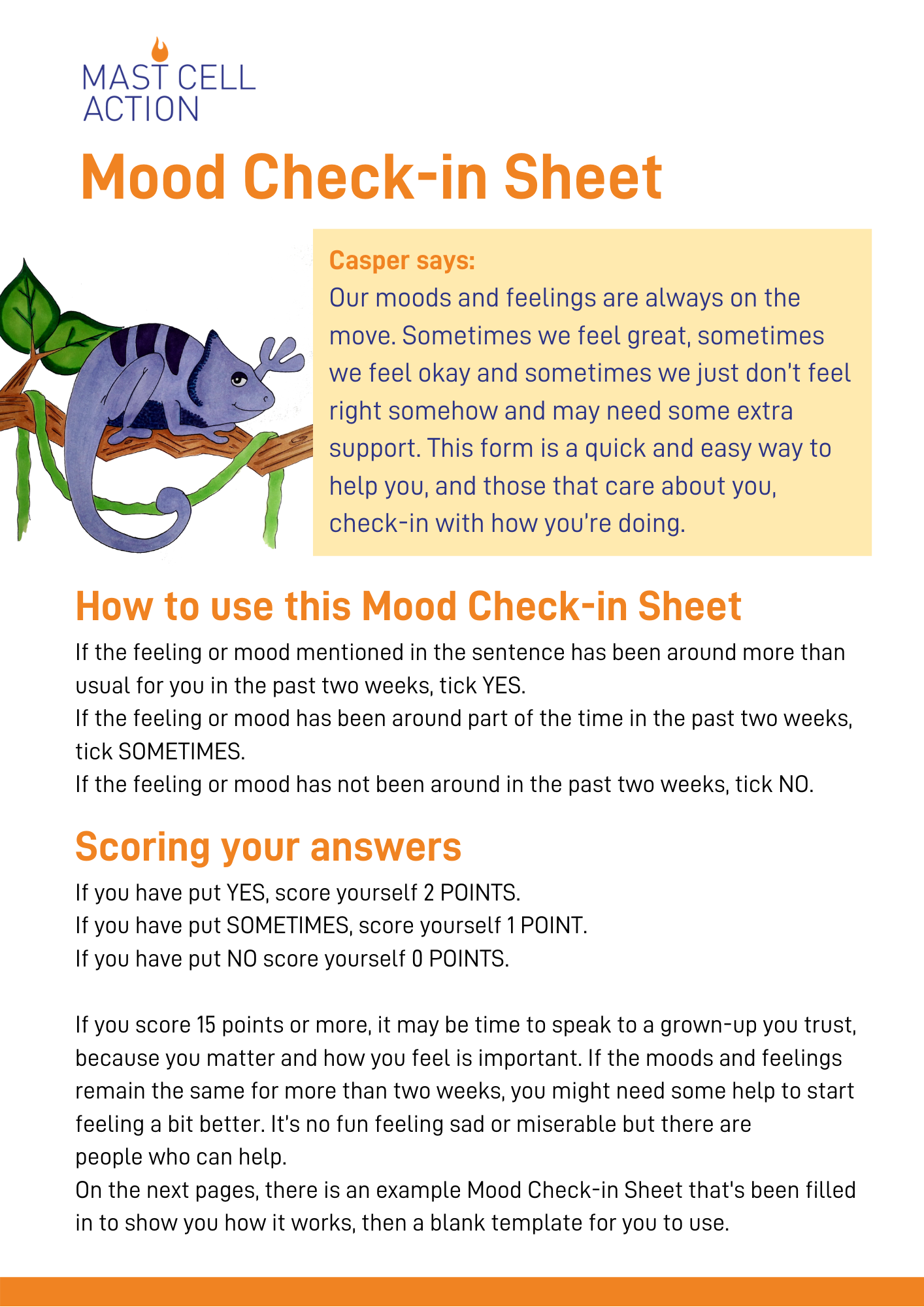
Mood check-in sheet - children
This is a quick and easy resource designed to help you, and those that care about you, to check-in with how you are doing.
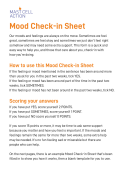
Mood check in sheet - Adult
This is a quick and easy resource designed to help you, and those that care about you, to check-in with how you are doing.
Children, Young People & Education
Acceptance
PowerPoint slides from Deborah Bircham from Live Well with Chronic Illness' Webinar 'Acceptance'.
Supporting someone with MCAS at Christmas
A practical festive guide for loved ones, who are supporting those with MCAS at Christmas
Managing MCAS At Christmas
The festive season can be joyful, but for those living with MCAS, it can also bring extra challenges - new foods, busy gatherings, extra stress and exposure to different things. This guide offers practical ideas to help you plan ahead, look after yourself, and enjoy the parts of Christmas that feel right for you.
DID YOU KNOW.... What is MCAS?
This poster provides brief facts about MCAS. These are great for sending to friends and family to help them understand or for taking to medical appointments.
DID YOU KNOW.... What can trigger MCAS symptoms?
This poster provides brief facts around Triggers and MCAS. These are great for sending to friends and family to help them understand or for taking to medical appointments.
DID YOU KNOW.... Fragrances can make people ill
This poster provides brief facts around fragrances and MCAS. These are great for sending to friends and family to help them understand or for taking to medical appointments.
DID YOU KNOW.... Managing MCAS
This poster provides brief facts around managing MCAS. These are great for sending to friends and family to help them understand or for taking to medical appointments.

Arranging education for children who cannot attend school because of health needs
This guidance outlines how local authorities and schools can best support children who cannot attend school because of physical or mental health needs.

Navigating MCAS together - Mast Cell Activation Syndrome Support Guide for Loved Ones
This guide is for those who are supporting a loved-one with MCAS, and includes advice on maintaining your own physical and emotional health, as well as practical guidance on how you can support your loved-one.
The Histamine Bucket Theory
This histamine bucket theory is a useful visual aid in trying to understand the impact of factors contributing to histamine levels.
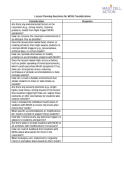
Lesson Planning Questions for MCAS Considerations
This list can help teachers and other educators to include students living with MCAS, when planning lessons and classroom activities
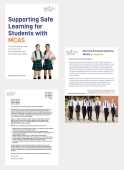
Supporting Safe Learning for Students with MCAS Full Pack
This full resource pack is designed to help you share vital information about mast cell disorder with schools.

Supporting Safe Learning for Students with MCAS for Teachers
This resource has been designed to explain Mast Cell Activation Syndrome to Teachers and guide them in creating a safe environment for pupils.

Supporting Safe Learning for Students with MCAS
This kit has been specially designed for parents and primary caregivers of secondary school students who have a mast cell disorder, such as Mast Cell Activation Syndrome (MCAS).

Casper Colouring Page
This Casper colouring page is a fun resource for children and a great way for them to express their feelings and emotions in colour.
MCAS for Disability Officers
This information guide about MCAS, and the additional needs a student with MCAS may have, can be shared with Disability Officers and other members of staff at universities.
MCAS and higher education
This resource has been designed to provide general guidance and help students to access support as they approach further education at university.

Full school pack
This PDF combines our freedom kit, MCAS for teachers pack and letter for schools in one handy download.

Freedom Kit
The resource pack to help you to share vital information about your child's mast cell disorder with school and other care-givers.

MCAS for teachers
This pack can be used to share information about MCAS with teachers and other care-givers.
Letter for schools
Use this letter template along with the Freedom kit to share your child's needs with their school or childcare provider
My Feel better plan
When we are feeling worried or scared it can be tricky to find a way to feel better about the things that are bothering us. Download and complete this plan which you can follow when those worries feel overwhelming.

Casper the chameleon colouring page
A colouring picture of Casper the chameleon to download and print. We would love to see your completed pictures!
Family, Friends and Carers
Acceptance
PowerPoint slides from Deborah Bircham from Live Well with Chronic Illness' Webinar 'Acceptance'.
Supporting someone with MCAS at Christmas
A practical festive guide for loved ones, who are supporting those with MCAS at Christmas
Managing MCAS At Christmas
The festive season can be joyful, but for those living with MCAS, it can also bring extra challenges - new foods, busy gatherings, extra stress and exposure to different things. This guide offers practical ideas to help you plan ahead, look after yourself, and enjoy the parts of Christmas that feel right for you.

Quick Guide to MCAS for Loved-Ones
MCAS is a complex condition and can be hard for our loved-ones to understand. However, their support is crucial for us to be able to manage our condition well. This handy Quick Guide to MCAS is designed to help your loved-one understand MCAS and begin to learn how they can help you. Share this with your loved-ones, so that they can easily understand what MCAS is.
DID YOU KNOW.... What is MCAS?
This poster provides brief facts about MCAS. These are great for sending to friends and family to help them understand or for taking to medical appointments.
DID YOU KNOW.... What can trigger MCAS symptoms?
This poster provides brief facts around Triggers and MCAS. These are great for sending to friends and family to help them understand or for taking to medical appointments.
DID YOU KNOW.... Fragrances can make people ill
This poster provides brief facts around fragrances and MCAS. These are great for sending to friends and family to help them understand or for taking to medical appointments.
DID YOU KNOW.... Managing MCAS
This poster provides brief facts around managing MCAS. These are great for sending to friends and family to help them understand or for taking to medical appointments.
Socialising and Eating Out
From our Nourishing Health & Happiness with MCAS series — practical tips for enjoying meals out and social occasions while supporting your health and comfort.
How to Fight On in Tough Times – Tools and Tips to Foster Mental Resilience
PowerPoint slides from Deborah Bircham's from Live Well with Chronic Illness' webinar 'How to Fight On in Tough Times – Tools and Tips to Foster Mental Resilience'. You can find the recording of this session on our YouTube channel.
Navigating MCAS together - Mast Cell Activation Syndrome Support Guide for Loved Ones
This guide is for those who are supporting a loved-one with MCAS, and includes advice on maintaining your own physical and emotional health, as well as practical guidance on how you can support your loved-one.
The Histamine Bucket Theory
This histamine bucket theory is a useful visual aid in trying to understand the impact of factors contributing to histamine levels.
The Spoon Theory
People with chronic illnesses like MCAS often have limited energy. In the spoon theory, by Christine Miserandino, this is represented as having 12 spoons per day. This can help to explain the impact of some everyday tasks on those living with chronic illness.

Parent support leaflet
A leaflet designed to help support parents and carers of children living with systemic mast cell activation and MCAS. It provides suggestions for how to care for your personal wellbeing whilst caring for someone with MCAS, and shares ideas and suggestions for how to communicate and support each other as a family.
Resources for clinicians
Comprehensive Guide to MCAS for Primary Care Physicians
This comprehensive guide for the diagnosis and management of MCAS in Primary Care is designed to help GPs to recognise and treat MCAS with confidence. We hope that this guide will serve as a useful, practical tool to help you to support MCAS patients. The 1-page Recognising and Managing MCAS Overview on P4 is a useful place to start if you are looking for a quick summary, and a full-page downloadable version of the flowchart can also be found on our website here https://www.mastcellaction.org/articles/recognising-and-managing-mcas-in-primary-care-overview-flow-chart
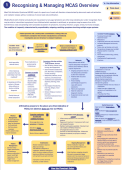
Recognising and Managing MCAS in Primary Care Overview Flow Chart
Designed to make life easier for Health Care Professionals, this one-page infographic shows 'at a glance' the basics of how to recognise and manage MCAS in a Primary Care setting.
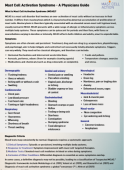
Mast Cell Activation Syndrome - A Physicians Guide
This guide provides an overview of the Symptoms, Diagnostic Criteria, Comorbidities and Management and Treatment of Mast Cell Activation Syndrome.
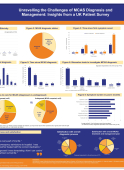
MCAS Life Experiences Survey Results
Unravelling the Challenges of MCAS Diagnosis and Management: Insights from a UK Patient Survey
MCAS information for PIP assessors
This resource provides assessors with an overview of MCAS, how it affects daily living, and the support individuals may need, helping ensure assessments are safe, fair and based on an understanding of the condition’s fluctuating nature.
A Quick Guide to MCAS
A handy 2 page Quick Guide to MCAS. An easy to read and understand overview of mast cells, MCAS symptoms, triggers, management, treatment and the histamine bucket theory.
Supporting someone with MCAS as a Dietitian
Supporting Someone with MCAS as a Dietitian is a practical resource designed to help dietitians understand and support people living with Mast Cell Activation Syndrome. It offers guidance on the unique challenges that MCAS presents, particularly around food, nutrition, and symptom management.
Mast Cell Activation Syndrome - A Primary Care Guide
A primary care guide to Mast Cell Activation Syndrome. It outlines common triggers, diagnostic criteria, and key symptom patterns affecting various body systems, helping clinicians recognise and differentiate MCAS from other conditions.
MCAS Testing for Healthcare Professionals
This leaflet details some of the tests used to diagnose MCAS, how to order and handle a sample and how to read the results.
Diagnosing MCAS Leaflet
A leaflet discussing diagnostic criteria, biomarker tests and important information for diagnosis.
"I just wanted to take a moment to say a heartfelt 'thank you' from all our family for your lovely chameleon book and discussion cards. We're in a tough place at the moment where both our sons have crashed with a huge flare-up of their mast cell disorder. And your book was there to help us open the conversation with them about why their bodies are feeling the way they are and to help them find the words and space to tell us how it feels for them."
By donating to Mast Cell Action, you will directly contribute to the development of essential resources that support and uplift the MCAS community. Your generosity will help us to provide critical information, advocacy, and care to those affected by MCAS. Together, we can make a meaningful impact and improve lives. You can donate here.
Become a friend
Sign up to become a Friend of Mast Cell Action so we can keep you up to date on our progress and on how to get involved in our latest campaigns and initiatives.
Donate
Mast Cell Action relies entirely on the generosity of people like you. Please make a donation now and together we can make a difference to those affected by MCAS.